

Autolus Therapeutics
Developing next-generation programmed T-cell therapies for cancer.
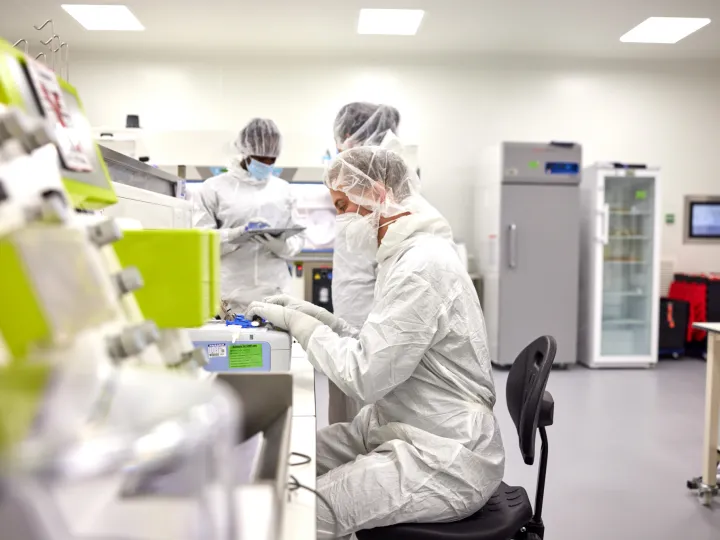
Autolus is a clinical-stage biopharmaceutical company developing next-generation programmed T-cell therapies for the treatment of cancer.
Using proprietary T-cell programming technologies, the company is engineering precisely targeted and controlled therapies designed to recognise and eliminate cancer cells. The drug is known as obecabtagene autoleucel (obe-cel, marketed as AUCATZYL), which has approvals in the US, EU and UK.
Autolus was founded on research led by Dr Martin Pule at the UCL Cancer Institute.
The Autolus journey so far:
- 2014: Autolus is founded
- 2018: IPO on NASDAQ for $160 million
- 2024:
- Phase 1 lupus trial initiated
- FDA approval of obe-cel for adult ALL
- 2025:
- Phase 1 clinical trial for multiple sclerosis initiated
- EMA approval of obe-cel in the EU for adult ALL
- MHRA and later NICE approval of obe-cel in England for adult ALL
- 2026:
- Early results reported from lupus trial
- Aucatzyl used for the first time in an NHS patient with ALL
Updates from Autolus

Spinout & portfolio news
Early promise reported in severe lupus for Autolus’ CAR T therapy
A CAR T-cell therapy developed by Autolus Therapeutics has shown early promise for people with severe, treatment-resistant lupus.

Spinout & portfolio news
First leukaemia patient receives pioneering CAR T-cell therapy on the NHS
The first patient in England has received a pioneering CAR-T therapy on the NHS, developed by spinout venture Autolus, for an aggressive form of leukaemia.

Opinion & insights
What is CAR T? The technology behind Autolus’ cancer hope
CAR T harnesses the power of a patient’s immune system to combat their cancer.

Team
Dr Martin Pule
Founder and Chief Scientific Officer
Dr Pule's is an Associate Professor in haematology. His research focuses on many aspects of genetic engineering of T-cells for cancer treatment.

Dr. Rick Fagan
Director of BioPharm
Institute of Clinical Trials and Methodology
Dr. Fagan brings extensive cell biology, pharma and technology transfer leadership experience, including AstraZeneca, SanofiAventis and UCL Ventures. He holds a PhD from McGill University.