

Early promise reported in severe lupus for Autolus’ CAR T therapy
A CAR T-cell therapy developed by Autolus Therapeutics has shown early promise for people with severe, treatment-resistant lupus.
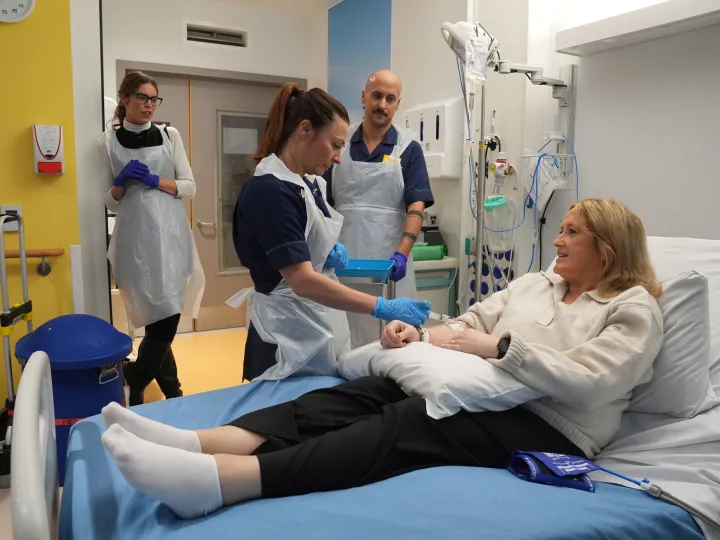
A CAR T-cell therapy developed by Autolus Therapeutics shows early promise as a new treatment option for people living with severe, treatment-resistant lupus.
The early findings, presented at the EULAR European Congress of Rheumatology, come from the ongoing Phase I CARLYSLE study led by UCL and UCLH. The trial is evaluating obe-cel (obecabtagene autoleucel) in patients with severe refractory systemic lupus erythematosus (SLE). Initial data indicates a favourable safety profile and encouraging signs of clinical benefit.
Addressing a significant unmet need
Lupus is a chronic autoimmune disease in which the immune system mistakenly attacks healthy tissue; this causes inflammation and damage across multiple organs, including the kidneys, lungs and heart. It affects at least five million people worldwide, around 90% of whom are women.
For people with refractory lupus, standard treatments do not adequately control the disease, leaving them with limited treatment options and an ongoing risk of serious complications.
The CARLYSLE study is exploring whether CAR T-cell therapy, an approach already transforming outcomes in certain blood cancers, could help reset the immune system in autoimmune disease.
CAR T-cell therapy works by reprogramming a patient’s own immune cells so they can recognise and target specific cells in the body. It has already been approved for use in patients with relapsed or refractory B-cell acute lymphoblastic leukaemia (ALL), including recent NHS use in England. Its evaluation in CARLYSLE is a potential extension of this UCL-derived technology from cancer into severe autoimmune disease.
Exploring an immune reset
In lupus, obe-cel – that is, reprogrammed T-cells – is being investigated for its ability to target CD19-positive B cells, which play an important role in driving the disease and attacking normal tissue. By depleting these cells, including antibody-producing plasmablasts, the therapy aims to interrupt the autoimmune process that causes the damage, rather than suppressing the entire immune system.
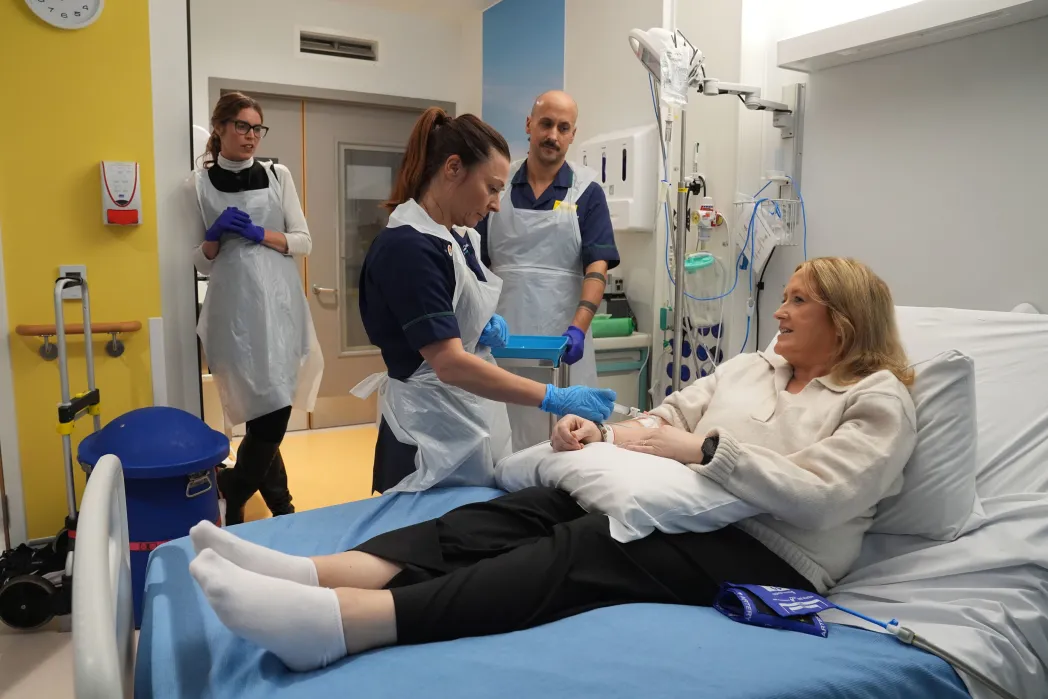
The trial enrolled patients aged 12 to 65 with active, severe SLE who had not responded to multiple previous treatments. Participants received a single infusion of obe-cel following lymphodepletion, at one of two dose levels.
As of November 2025, nine adult patients had been treated. All had highly active disease at baseline, with most affected by lupus nephritis, a serious kidney complication of lupus.
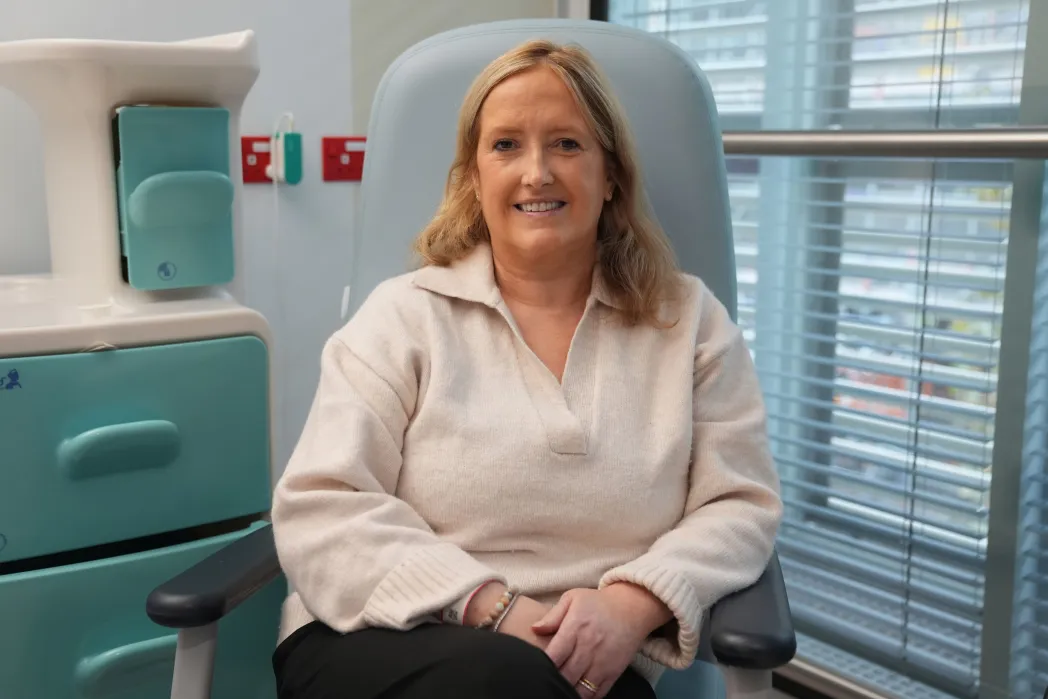
Katie Tinkler, 52, who had lived with lupus for decades, was among the trail participants. She was running out of treatment options as the disease affected her kidneys, lungs and heart.
“I literally couldn’t walk from Warren Street tube station to the outpatient department without stopping. My joints were so painful that it was prohibiting me from living my life, and it was only getting worse. My whole system was affected,” she said. “Life was very hard work, and that was 24/7.”
When doctors at UCLH offered her the opportunity to join the CARLYSLE trial, Katie knew the treatment carried significant risks. After undergoing the therapy from doctors at UCLH, her symptoms improved within weeks, her disease markers returned to normal for the first time in over 30 years, and she has since returned to everyday activities, from swimming and gardening, to dancing at her daughter's wedding.
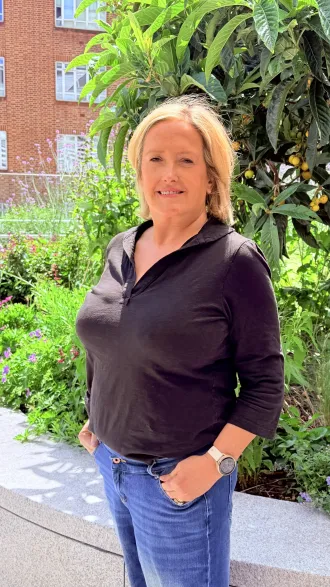
“I can participate in life now whereas before I had to watch my family and friends doing physical activities from the sidelines,” she said. “At my daughter’s wedding I danced all night. The summer before, I wouldn’t have been able to do that.”
Dr. Richard Fagan, Director of BioPharm at UCL Ventures, said: “These early findings are an encouraging indication of the wider potential of UCL science to change the lives of patients with serious, treatment-resistant conditions. Autolus is a strong example of how long-term academic innovation, combined with the right commercial support, can create technologies with the potential to move from breakthrough discovery to real-world patient impact.”
Encouraging early safety and efficacy signals
One of the most notable findings so far is the therapy’s safety profile. Researchers observed no cases of immune effector cell-associated neurotoxicity syndrome (ICANS) and no moderate or severe cytokine release syndrome (CRS), both known risks associated with CAR T-cell therapies.
There was one dose-limiting toxicity involving liver injury, which fully resolved. Other side effects, such as neutropenia and infections, were considered manageable and consistent with expectations for this type of treatment.
Alongside these safety signals, early signs of clinical benefit were seen. In the lower dose group, five out of six patients achieved remission according to standard lupus criteria, with improvements emerging within months of treatment. Patients showed rapid reductions in disease activity scores, anti double stranded DNA antibodies and improvements in complement levels.
Patients with kidney involvement also demonstrated encouraging responses, including reductions in proteinuria and stabilisation or improvement of kidney function.
From UCL research to patient impact
Following treatment, patients experienced deep depletion of B cells and robust CAR T-cell expansion. As B cells returned, typically after three to six months, they were predominantly early-stage cells rather than the mature populations associated with autoimmune activity, suggesting a genuine immune “reset”.
The therapy used in this study, known as AUTO1/obe cel, was developed at UCL by a team led by Professor Martin Pule for blood cancers. The work builds on more than two decades of UCL research into immune cell targeting and underlines the long-term value of academic discovery translated into clinical innovation.
If confirmed in larger trials, obe-cel could represent a new treatment paradigm for people with severe, treatment resistant lupus, and a powerful example of how UCL derived science – supported through UCL Ventures' commercial translation – can deliver meaningful impact for patients.
UCL Ventures' journey with Autolus
NASDAQ-listed Autolus Therapeutics is an early-commercial stage biopharmaceutical company developing next-generation programmed T-cell therapies.
Beginning its journey with Proof of Concept funding, UCL Ventures' support also included facilitating the spinout process, managing intellectual property, and fostering partnerships. The company has raised over $1.1bn of investment capital since incorporation, employing more than 450 people, and opening a state-of-the-art production facility, The Nucleus in Stevenage.
The foundational research underpinning obe-cel was conducted at UCL and led by Dr. Martin Pule and his collaborators at the UCL Cancer Institute and Great Ormond Street Institute of Child Health. UCL Ventures and Autolus entered into a licence agreement for patent rights relating to obe-cel back in 2018.
If you’re a UCL researcher interested in exploring how to turn your research into impact, contact us for a confidential, no-obligation chat – whatever stage your research is at.