Orchard Therapeutics: genetic solutions for 'bubble baby' conditions
Developing pioneering gene therapy research from GOSH into rare disease treatments.
Problem
Children with severe inherited immune disorders such as severe combined immunodeficiency (SCID) face life-threatening infections and limited treatment options. Bone marrow transplants can be curative, but suitable donors are not always available and complications such as graft-versus-host disease can be severe. There has been a need for safer, more widely applicable therapies that correct the underlying genetic cause using a patient’s own cells.
Solution
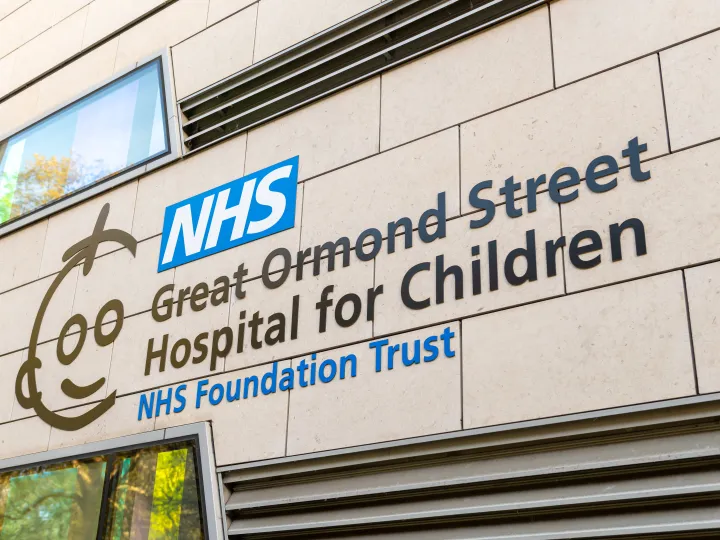
Orchard Therapeutics was founded to translate pioneering haematopoietic stem cell (HSC) gene therapies developed by Professors Bobby Gaspar and Adrian Thrasher at Great Ormond Street Hospital and UCL. The approach involves correcting a patient’s own blood stem cells by introducing a working copy of the faulty gene, then reinfusing the corrected cells so they can rebuild a functioning immune system-aiming for long-lasting benefit from a single treatment.
How UCL Ventures helped
As the programme grew beyond what could be sustained in academia alone, UCL Ventures supported the team to explore the best route to patient access, including introductions to potential partners and investors. UCL Ventures helped enable the formation of a spinout in 2015, supporting the licensing arrangements that allowed the company to progress the therapies through development and towards regulatory approval.
As Professor Bobby Gaspar (Great Ormond Street Hospital) says: “We were looking after these kids who either died of their disease or had to undergo treatments which have significant limitations.”
Where is Orchard Therapeutics now?
Orchard has grown significantly since launch, completing a Nasdaq IPO in 2018 that raised $225m and building a global team of around 250 people with a presence in London and Boston. The company has progressed a pipeline of rare disease therapies, including programmes that have achieved regulatory milestones, and is applying lessons from ultra-rare conditions to explore broader neurodegenerative indications.
Next, the focus is on advancing additional clinical programmes, building evidence for long-term outcomes and widening access for patients and families.