MyCardium: transforming heart disease diagnosis with real time, AI-powered imaging
Using human-in-the-loop AI analysis of cardiac images to make it faster, cheaper and easier to test for heart disease.
Problem to be solved
Cardiac magnetic resonance imaging (MRI) can provide a gold-standard assessment of heart disease, but delivering timely, consistent analysis at scale is challenging. Hospitals face increasing demand and limited specialist capacity, which can delay diagnosis and affect treatment decisions. There is a need for tools that make high-quality imaging interpretation faster, more standardised and more widely accessible.
Solution
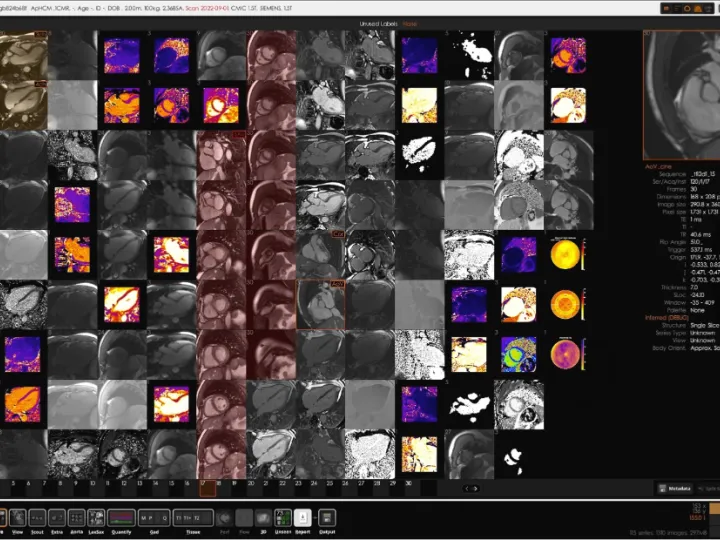
MyCardium, founded in April 2022 by Professor Mark Westwood, Professor James Moon (Professor of Cardiology at UCL and Clinical Director of imaging at Barts Heart Centre), Dr Robert Merrifield and Antony Shimmin after over ten years of collaboration, develops AI-enhanced software that connects to a hospital’s MRI workflow and analyses images while a patient is being scanned. By providing rapid, consistent measurements and highlighting clinically relevant patterns, the technology supports earlier decisions and can help clinicians focus their time where it matters most. The approach is designed at the clinical interface-by doctors, for doctors.
How UCL Ventures helped
MyCardium was formed as a UCL spinout and used the Portico Ventures model to support commercialisation of non-patentable software and know-how. UCL Ventures supported company setup and the licensing process, helping the team put the foundations in place to grow quickly while maintaining strong links back into UCL clinical and research expertise.
As Moon explains: “Everything at MyCardium is designed by doctors, for doctors.”
Where is MyCardiumAI now?
Founded in April 2022, MyCardium has grown rapidly to a team of 50+ staff and is deploying its software in hospitals in the UK as well as internationally. The company has completed key regulatory and operational milestones, including ISO 27001 certification for information security and FDA clearance for a core imaging view.
Next, the focus is on further clinical validation, wider deployment and continued product development to support better heart disease diagnosis and treatment at scale.