

Mapping for Change: research-led change for communities
Empowering communities to have their voices heard.
Problem to be solved
Communities, especially underserved and marginalised groups, often need better ways to influence policy and decisions in urban planning, health and more, so that their voices are heard.
“It was never about making big bucks for shareholders. It was about how you become independent and support yourself through doing projects, and get paid for doing good in the world.” says co-founder Louise Francis.
Solution
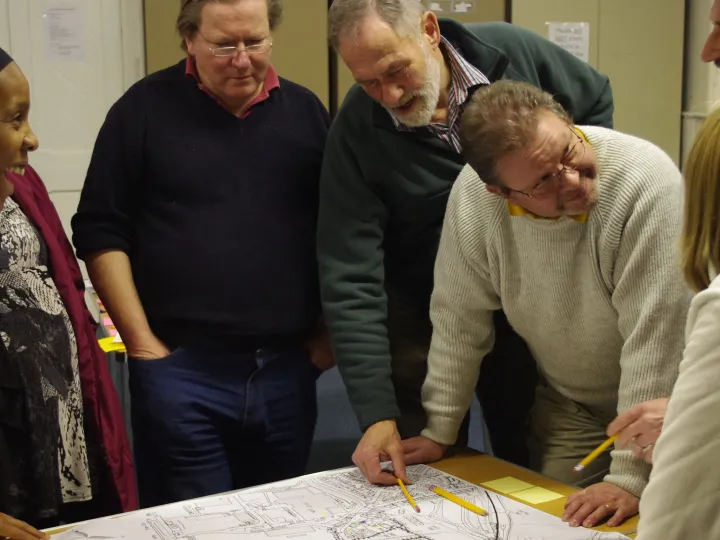
Mapping for Change uses the power of maps, crowdsourced data and inclusivity to empower people and communities. Founded by UCL academics Professor Muki Haklay, Louise Francis and Christopher Church, its Community Maps online participatory mapping platform provides an effective tool for enacting change and making local evidence visible.
How UCL Ventures helped
UCL Ventures supported Mapping for Change by providing Proof of Concept funding, intellectual property protection and an accelerator programme called Health Social Innovators. This helped the team shape a research-led idea into a sustainable social venture with the tools, confidence and networks to work with communities at scale.
Where is Mapping for Change now?
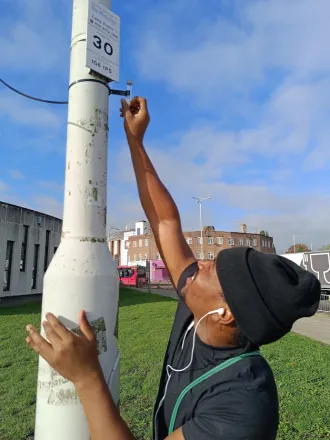
Mapping for Change has gone on to support community projects in more than 20 countries. In Redbridge, Mapping for Change worked with the London Borough of Redbridge to empower the community to monitor local air quality, raise residents’ awareness and measure behaviour change and health outcomes. Its ‘We Care for Our Air’ initiative provided equipment and training for residents to monitor nitrogen dioxide and fine particulate pollution near their homes, analysing and sharing the results each month.
Mapping for Change also engaged pupils in local primary schools and supported cycle training to encourage car-free travel. 114 community monitoring locations were established, air quality workshops delivered in schools and a publicly accessible map created to enable residents and visitors to make informed choices about outdoor activities and travel routes to minimise exposure to harmful pollution.