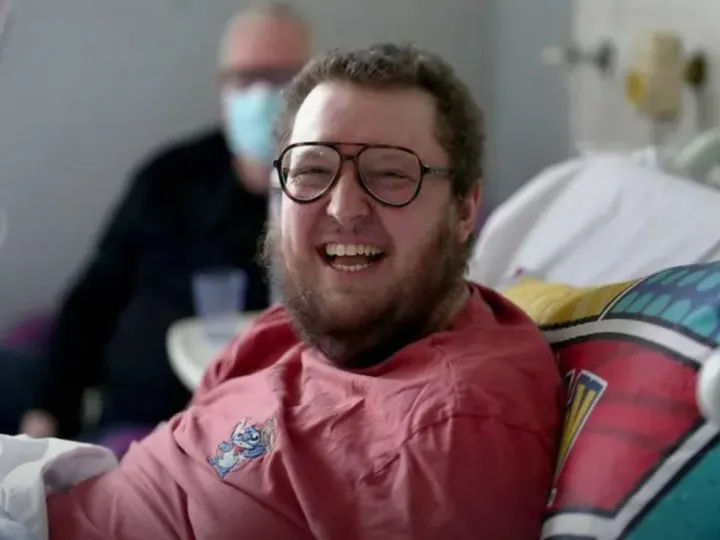
Autolus Therapeutics: reprogramming patients' cells to kill cancer
A new personalised appraoch for leuakaemia.
Problem to be solved
Many patients with aggressive blood cancers relapse or do not respond to standard treatments. There has been a need for more precise therapies that can deliver deep, durable responses, while managing the significant toxicities associated with immune-based treatments.
Solution
Autolus develops CAR T-cell therapies, which re-engineer a patient’s own T cells to recognise and destroy cancer cells. Its next-generation approach is designed to deliver strong anti-tumour activity with improved control, helping to reduce side-effects and broaden the potential of CAR T across indications.
Its lead product, obecabtagene autoleucel (obe-cel), has been developed for adults with relapsed or refractory B-cell precursor acute lymphoblastic leukaemia (r/r B-ALL) under the product name AUCATZYL.
How UCL Ventures helped
Autolus was established in 2014 by founders including Dr. Martin Pule, one of the leaders of the CAR T research programme at UCL’s Cancer Institute.
UCL Ventures worked with Dr. Pule and the wider team to protect the underlying technology, support company formation and make introductions to potential investors.
We also helped the company access early funding alongside partners, supporting Autolus as it progressed through venture rounds and towards a Nasdaq IPO in June 2018.
As Dr. Richard Fagan, Director of BioPharm, UCL Ventures, says: “The close relationship between Autolus and UCL Ventures has spanned more than a decade since UCL Ventures helped establish the company in 2014. I’m delighted about the approval of AUCATZYL in the UK which represents a huge milestone in Autolus’ success story. It also underscores the important role of long-term capital investment and other support in helping university spinouts bring advanced therapeutics from the research lab to the market where they can benefit patients.”
Where is the project now
Following extensive clinical development, AUCATZYL has received regulatory approval from the MHRA and the FDA, and European Commission authorisation (July 2025) for adults with r/r B-ALL. In the pivotal FELIX trial, 76.6% of patients achieved complete response, with median event-free survival of 11.9 months. Autolus is now progressing additional CAR T candidates in early clinical trials across multiple tumour types, aiming to broaden the reach of engineered cell therapies.