New path forward for gene therapy targeting rare childhood disease
Orphan therapy has another chance to reach children with urea cycle disorder, OTCD.
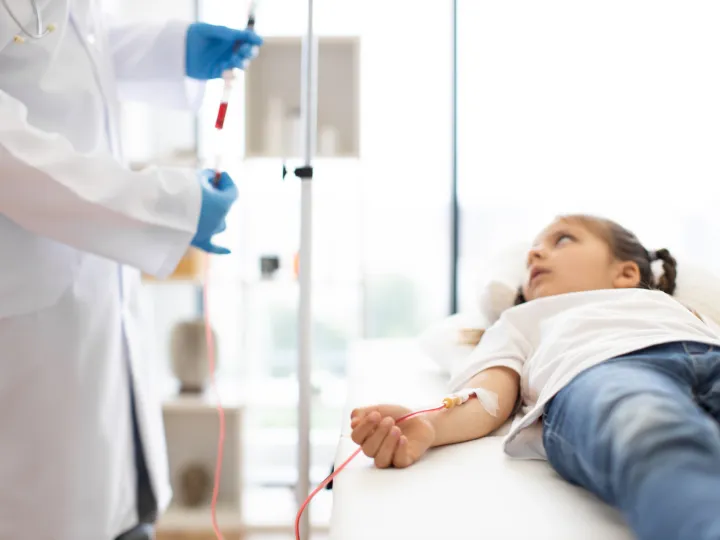
A gene therapy for a rare and potentially life-threatening childhood condition, will be developed further through a new licensing agreement between the Orphan Therapeutics Accelerator (OTXL), UCL Ventures and Children’s Medical Research Institute (CMRI).
Developed at UCL and Children’s Medical Research Institute, OTXL-101 is a gene therapy designed to treat ornithine transcarbamylase deficiency (OTCD). The inherited genetic disorder affects the urea cycle, the process through which the liver converts toxic ammonia into urea so it can be removed from the body.
Those with the condition may experience repeated episodes of high ammonia levels, which can cause neurological injury, coma and other life-threatening complications.
The therapy originated from the research of Professor Paul Gissen and the OTCD project team at UCL, together with Professor Ian Alexander and colleagues at CMRI.
It is currently the only gene therapy for the rare paediatric metabolic condition in clinical development, targeting patients aged 2 to 18.
The agreement builds on earlier clinical progress. In October 2023, the therapy was licensed to a biotechnology company that initiated the Phase 1/2 HORACE trial (NCT05092685). The first patient in a planned cohort of 12 was treated at Great Ormond Street Hospital (GOSH), before the sponsor became insolvent and the programme was returned to UCL and CMRI.
Finding a new path for promising therapies
For university-developed innovations, strong scientific and clinical evidence is only part of the journey. Reaching patients also depends on finding the right commercial partners, funding and development expertise. This agreement shows how a flexible approach to commercialisation can help maintain momentum when a promising therapy encounters challenges reaching the patients it can help.
“Whether it’s an ultra-rare disease or a condition that affects many, our aim is to bring therapeutics from UCL labs to the market, where they can transform people’s lives,” said Dr Rick Fagan, Director of Biopharm at UCL Ventures.
“We are proud to have worked closely with Paul Gissen, Craig Martin and their respective teams to find a way to continue the development of this therapy. This agreement also demonstrates a new pathway for other vital therapies that might otherwise not reach patients.”
Professor Thomas Voit, Director of the NIHR GOSH BRC, said: “If we’re going to develop new and better treatments for children and young people with rare diseases, we require strong and sustained collaboration across research institutions, hospitals, funders and industry partners. It’s encouraging to see this programme move forward, and we’re pleased to be at the forefront of continuing to develop this novel therapy, which is so desperately needed for children affected by ornithine transcarbamylase deficiency.”
A collaborative model for real-world impact
The licensing agreement represents more than the continued development of a single therapy. It highlights the importance of adaptable commercialisation pathways for research-led innovation, particularly in rare diseases where traditional development routes can be challenging.
UCL Ventures works side by side with academics, researchers and clinicians to protect and shape promising innovations, and help them get to market. That involves identify the most effective route and connecting teams with the expertise needed to progress.
As OTXL-101 enters its next phase, this collaboration demonstrates what can be achieved when experts collaborate to make things happen – exceptional research is given a chance to change the world.
Dr. Rick Fagan
Director of BioPharm
Dr Fagan is a cell and molecular biologist by training, gaining his PhD at McGill University, Canada. This was followed by a postdoctorate at the Imperial Cancer Research Fund, London, and then the
National Institute for Medical Research.
Richard left to join AstraZeneca as a team leader in the Department of Target Discovery, then worked for SanofiAventis as a senior team leader. In 2001 he left SanofiAventis and joined Impharmatica as Associate Director Target Discovery and worked very closely with the business development team.
In 2006 he joined UCL Ventures as Assistant Director BioPharm, becoming Director in 2007.